Deaf culture
Deaf Culture, Language, and Identity
Deaf identity is connected to language, culture, shared experiences, community, and the right to communicate in accessible ways. Colombian Sign Language (Lengua de Señas Colombiana – LSC) plays an important role in communication and cultural identity for many Deaf people in Colombia.
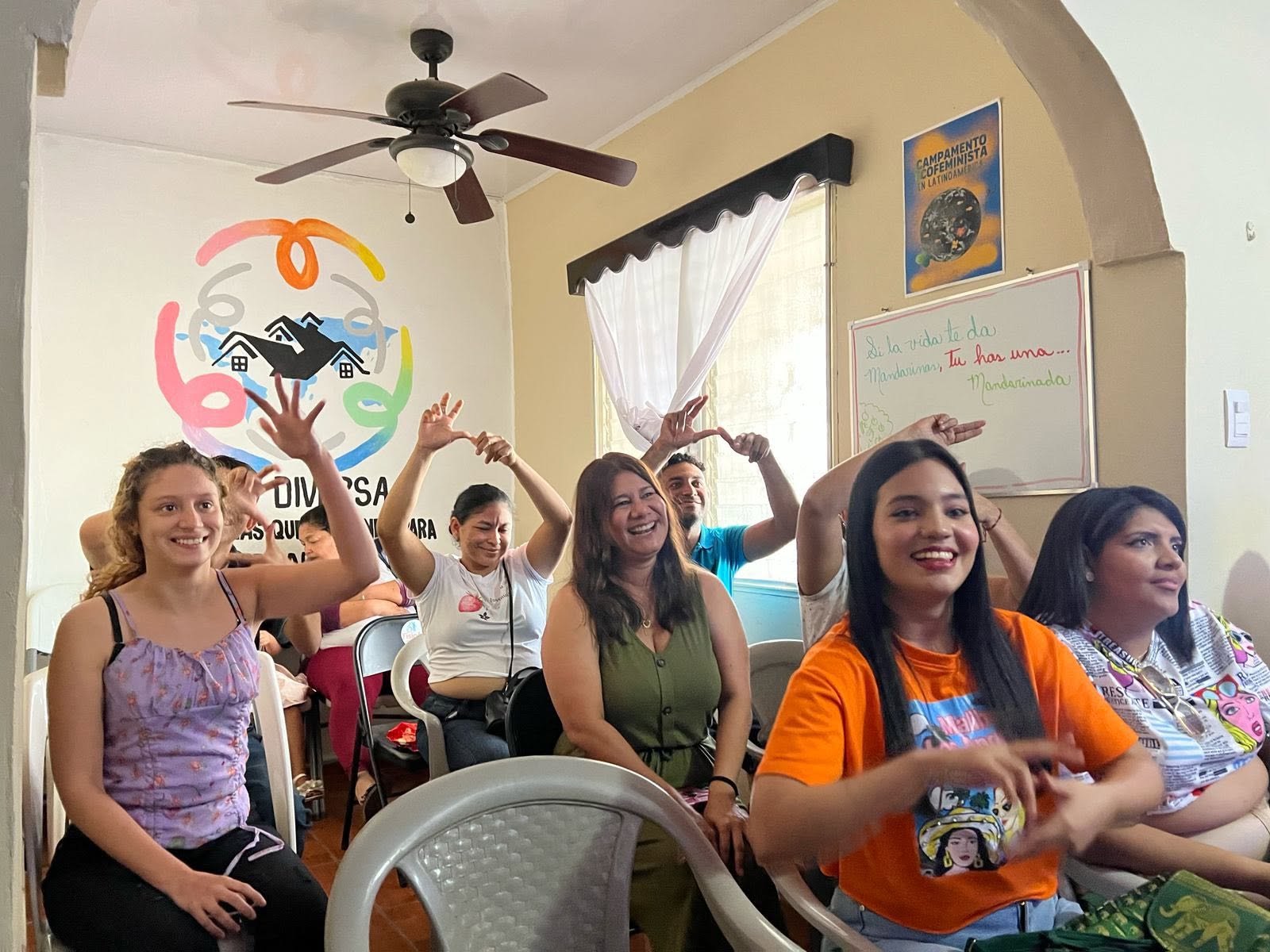
Sign languages are complete, natural languages — with their own grammar, vocabulary, and linguistic structure.
Deaf identity
For many people, being Deaf is a cultural and linguistic identity — a shared way of experiencing and communicating with the world — rather than only a medical condition.
Colombian Sign Language
LSC is a visual-gestural language used by Deaf communities across Colombia. Like every sign language, it is not a universal code or a signed version of Spanish: it has its own grammar, uses space, handshape, movement, and facial expression to build meaning, and varies regionally.
Sign-language accessibility
Access to information in sign language allows Deaf people to participate in education, services, and public life on equal terms.
Communication rights
Every person has the right to express themselves and receive information in a form they can understand.
Respectful communication
- Face the person and keep eye contact
- Get attention with a gentle wave or tap on the shoulder
- Speak to the Deaf person, not to the interpreter
- Use writing, gestures, and visual aids when helpful
- Be patient and ask how the person prefers to communicate
Cultural recognition and public life
Recognizing Deaf culture means including Deaf people in public life, decisions, and celebrations — as full participants and contributors.